
Blepharoplasty
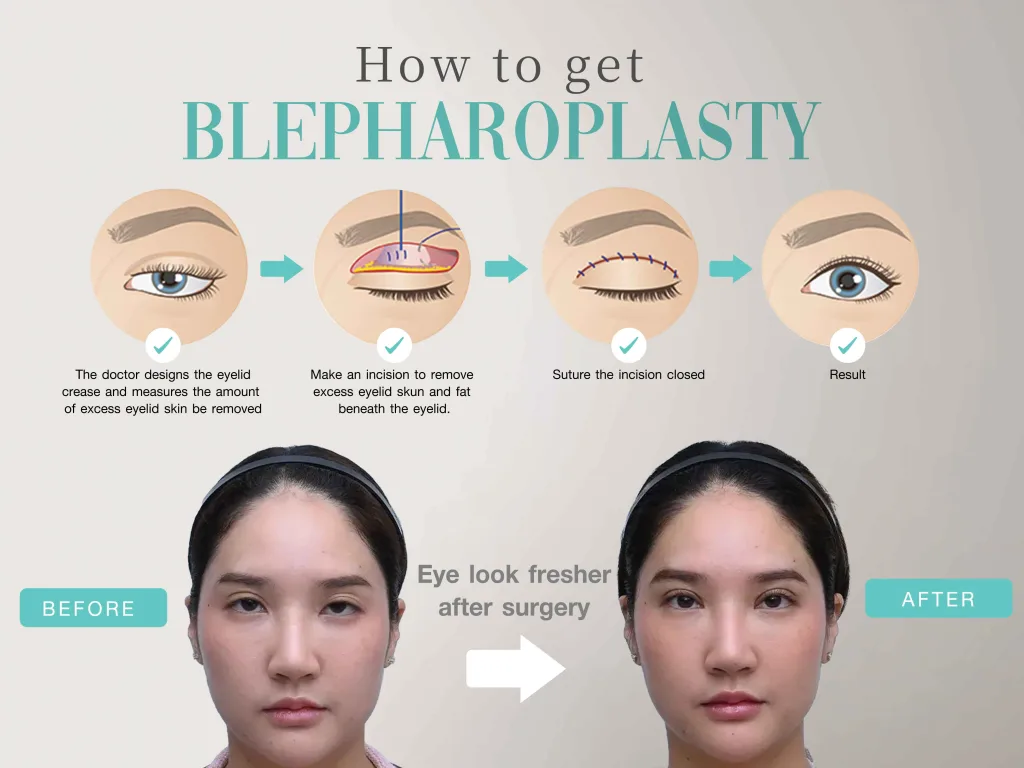
Blepharoplasty to correct Ptosis is suitable for individuals with sagging or reduced eyelid folds due to aging. This condition causes excess skin to droop over the eyes, often making it unsuitable for correction using minimal incision techniques. In such cases, it’s necessary to remove the excess skin and fat. The eyes can then be enhanced to appear larger and more defined through double Blepharoplasty using an incision technique that effectively addresses Ptosis.
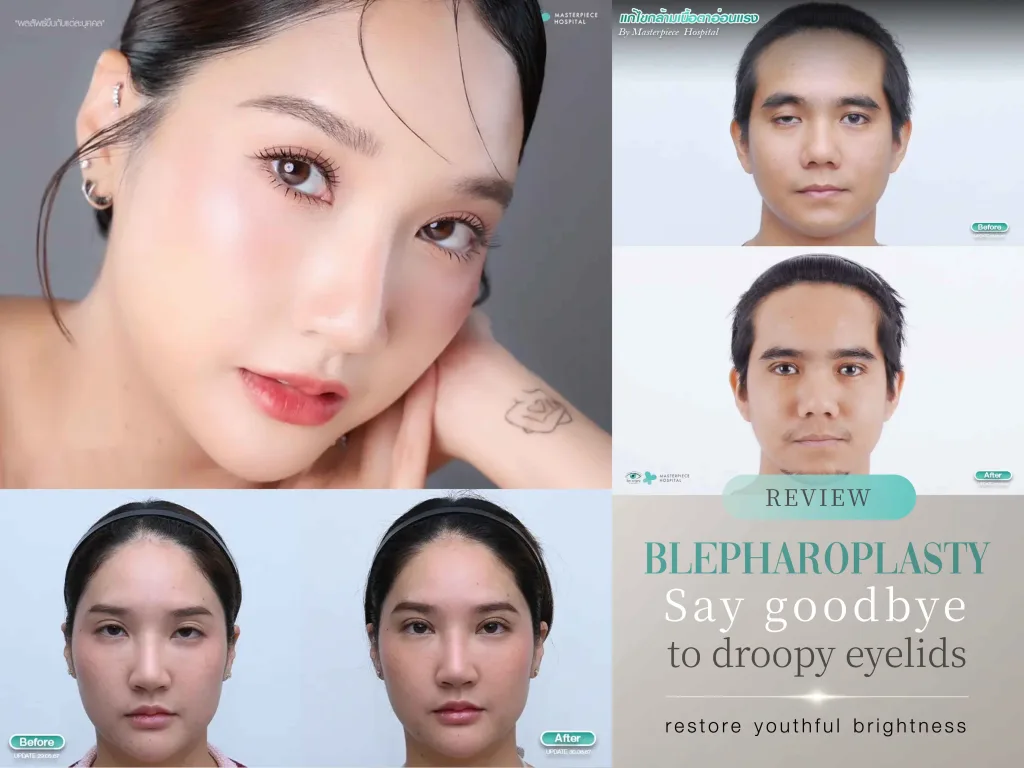
Blepharoplasty transforms aged-looking eyes and strengthens the eyelid muscles.
Blepharoplasty through upper Blepharoplasty corrects Ptosis, wrinkled skin, and sagging by tightening the muscles inside the eyelids. This creates a more natural-looking double eyelid crease, makes it easier to open the eyes, and helps resolve issues such as inward-turning eyelashes that irritate the eyes.
Operative Preparation for Blepharoplasty to Correct Ptosis:
- If you’re taking supplements or vitamins, discontinue them at least 2 weeks before the surgery.
- Avoid alcohol consumption and smoking for at least 2 weeks before the procedure.
- If you have any underlying medical conditions or a history of drug allergies, inform your surgeon beforehand.
- Get enough rest to ensure your body is well-prepared. Fasting isn’t required before surgery. Being in good physical condition helps speed up post-operative recovery.
- Clean your face and wash your hair thoroughly before coming in for the procedure.
- Prepare a pair of sunglasses to wear after the surgery.
- If you have work or responsibilities, plan and take at least 1–2 days off for recovery. This allows you to align your surgery and rest days accordingly.
Postoperative Care After Blepharoplasty
- Apply a cold gel compress during the first 1–2 days after surgery, being careful to keep the wound dry. If there’s any blood oozing from the incision, use gauze to gently wipe and press on the area until the bleeding stops.
- While resting or sleeping, keep your head elevated to help reduce swelling during the first 1–2 days post-surgery.
- Apply antibiotic ointment to the wound at least twice a day—morning and evening—and strictly follow your doctor’s instructions.
- On the third day, if you experience swelling or bruising with discoloration, use a warm (not too hot) compress alternated with a cold compress to help relieve the swelling.
- Avoid taking dietary supplements and vitamins for two weeks.
- If you need to go out or carry on with daily activities, wear sunglasses to protect your eyes from sunlight, dust, and small particles.
- Attend your follow-up appointment to have the stitches removed within 5–7 days.
No Pain During Blepharoplasty!
During Ptosis correction, a local anesthetic is injected into the upper eyelid area, ensuring you feel no pain during the procedure. The surgeon then carefully separates the eyelid layers based on precise measurements or your desired outcome, taking into account what best suits your eyelid structure. If there’s excess fat or skin in the area, it will be delicately removed.
If you’d like a more prominent or thicker eyelid crease, simply inform your doctor. The levator muscle, which lifts the eyelid, will be stitched to create the desired fold. Ultra-fine sutures are used at the incision site to keep stitch marks minimal. The incision itself is hidden within the newly created eyelid crease, making it virtually invisible when your eyes are open.

Wait a Minute! Ptosis Correction Isn’t Just About Blepharoplasty!
While Blepharoplasty is a common solution for correcting Ptosis, there’s another highly popular procedure: the brow lift. This technique brightens the appearance of the eyes without leaving visible scars on the face.
Not only does a brow lift address drooping eyelids, but it also improves several other facial concerns. It’s often considered a rejuvenating procedure that can take 5–10 years off your appearance.
Sagging Eyelids Making You Look Older? Here’s What You Can Do
“Ptosis” are a frustrating concern for many, often making the face look older than it really is—especially in older individuals, where the issue becomes even more noticeable.
If you’re feeling self-conscious and looking for effective ways to restore a brighter, more youthful appearance, you’re not alone. This article offers practical insights and the most effective solutions to help you tackle sagging eyelids and keep up with the times. Keep reading to discover what works best!
What Is Ptosis?
Ptosis is a condition where the upper eyelid droops and gradually obstructs vision. Over time, this can lead to a decline in visual performance. It’s often caused by weakened eyelid muscles or sagging skin around the eyes. Beyond affecting vision, it can make the face look tired and aged—ultimately impacting a person’s confidence.
There are several ways to correct this issue, but the best approach is to consult with an experienced ophthalmologist. A specialist can thoroughly assess your eye structure and recommend the most suitable surgical technique while also minimizing the risk of complications.
As you may know, Ptosis can result from many factors, from genetics to daily lifestyle habits. But how many people truly understand these underlying causes? Sometimes, just the worry about the condition can become overwhelming before you even get to the solution. To help ease those concerns, let’s explore the root causes of eyelid ptosis in the next section.
What Can Cause Ptosis?
Ptosis is a condition that can result from many causes, such as injuries, eye-related diseases, lifestyle habits, and an important factor—age. To help monitor and prevent Ptosis, I’ve compiled the possible causes below:
Puffy Eyelid Issues Since Birth
Puffy eyelids are one of the problems that can be inherited. The eyelids appear thick, with a lot of fat accumulated in the eyelid skin, making the person look sleep-deprived and the eyes appear dull. If left untreated for a long time, it may cause the eyelashes to poke the eyes, leading to eye irritation, constant tearing, or even eye infections.
Weak Eyelid Muscles
Weak eyelid muscles are another problem that can also be found from birth. It’s a condition that makes it hard to open the eyes fully or may make the person look like their eyes are always half-closed. It’s caused by abnormal nerve function, making the eyelid muscles unable to exert full strength. If this condition is left untreated for a long time, it may cause the patient to lose confidence due to uneven-looking eyes.
Ptosis Caused by Aging
Age is considered the main cause of Ptosis. It’s caused by a lack of skin elasticity, sagging skin, and many wrinkles around the eyes. If left untreated properly, the patient could end up losing vision easily.
Lifestyle Habits
Lifestyle is also an important factor that can lead to Ptosis. Due to the convenience of solving blurry vision problems, most patients turn to wearing contact lenses for clearer vision. Also, applying double eyelid stickers for a long time can easily lead to weak eyelid muscles. This is without even mentioning habits like staring at computer or phone screens and rubbing the eyes frequently. These clearly show that Ptosis can also result from individual lifestyle habits.
Who Is Suitable for Ptosis Correction?
Ptosis doesn’t just affect vision—it can also impact daily life and self-confidence. Especially for patients who are starting to age, it’s a good idea to examine the condition of your eyes in advance. If you notice signs like those mentioned in this article, you can find the right treatment to help restore brighter-looking eyes and boost confidence, without letting your vision get in the way.
- Patients whose eyelid crease gradually disappears due to Ptosis are suitable for double Blepharoplasty to restore the original shape of the eyelids.
- Patients with uneven eyes caused by Ptosis can correct the problem with Blepharoplasty.
- Patients who overuse their eyes and develop Ptosis can undergo surgery to fix the issue.
- Patients with dull-looking eyes or eyes that appear half-closed all the time due to Ptosis can receive surgery from a specialist ophthalmologist to correct the condition.
- Patients who’ve experienced accidents that caused Ptosis should consult an ophthalmologist to find a treatment plan for restoring normal eyelid function.
- Patients with uneven eyes due to weak eyelid muscles or uneven Ptosis are suited for surgical correction.
Aside from these, many other causes can lead to Ptosis. Ideally, I recommend that patients consult with an experienced ophthalmologist to assess their eye health before proceeding with surgery to correct Ptosis properly.
Can a Unilateral Ptosis Be Corrected?
A Ptosis on one side occurs when the skin of the upper eyelid sags on just one side, which can interfere with focus during activities and directly affect how you perceive others’ facial features. In this article, I’ll cover the possible causes of unilateral Ptosis and how to treat it effectively.
Typically, there are three main causes of unilateral Ptosis: sudden eyelid muscle weakness, eye-area trauma, and patient-specific genetic factors. Each of these can cause significant concern, but there’s no need to be overly stressed—there are both medical and self-managed ways to fix the issue, including:
Medical Treatment: Surgery is a highly effective solution for correcting unilateral Ptosis, with long-lasting results. The appropriate treatment method and surgical technique will depend on the individual patient’s condition.
Using Fashion Accessories: In the modern era, there are tools and accessories that can temporarily relieve the symptoms of Ptosis. These include double eyelid tape or contact lenses to improve vision performance. However, these are only short-term fixes.
Makeup: Today’s makeup products can cover almost any skin condition. Whether young or old, anyone can enhance their facial features as desired. For those with a Ptosis on one side, makeup can help conceal it. However, since cosmetics can contain residues that may irritate the eyes, it’s best to wear them only for special occasions or when necessary, not constantly.
How Does Ptosis Affect You?
Did you know that Ptosis can cause more harm than you might think? If left untreated, it can lead to a wide range of worsening effects over time. Here are some of the most common problems caused by this condition:
- Obstructed Vision
Vision is one of the five most essential senses for daily life. It helps detect danger from both near and far distances and plays a key role in memory. When a Ptosis blocks your field of vision, it can increase the risk of accidents and make daily tasks more difficult. - Eyelashes Poking the Eye
Among the various symptoms, a common one is having eyelashes poke into the eye. This can cause discomfort, irritation, itchiness around the eyes, or even corneal infections. If ignored, it can worsen and potentially lead to blindness. - Forehead Wrinkles
This is a common side effect of Ptosis. Normally, you don’t need to strain your eyes constantly. But when your upper eyelid droops, you may unconsciously raise your eyebrows or furrow your brow to see better. Over time, this habit leads to visible forehead wrinkles. - Premature Aging
Perhaps the most visible impact of Ptosis is how it makes your face look older than it is. This is largely due to tired-looking eyes, reduced brightness, and smaller-looking eyes, all of which throw off the natural balance and expression of your face.
How Can Correcting Ptosis Help?
Ptosis can occur in people of all ages, from the young to the elderly. If left untreated, the condition can gradually worsen and negatively impact the patient’s well-being. Wouldn’t it be better to properly treat the condition before it gets worse? Not only does treatment help improve physical appearance, but it also significantly boosts self-confidence. Here are the benefits of correcting Ptosis:
- Enhances eye definition and makes the eyes appear larger
- Improves visual clarity and reduces the risk of complications caused by sagging eyelids obstructing vision
- Balances the size of both eyes in cases where drooping affects only one side
- Improves posture and provides long-term confidence
- Softens the gaze, brightens the eyes, and creates a younger, more approachable facial appearance
- Supports professional opportunities by creating a trustworthy, confident impression during negotiations or business interactions
What surgical methods can be used to treat Ptosis?
Treating a patient’s Ptosis may require an ophthalmologist with expertise in precisely analyzing detailed structures, since the eyes are extremely delicate organs. If treated or assessed incorrectly, it could result in blindness. In this section, I’ll talk about the commonly used surgical procedures that can permanently treat Ptosis..
Eyelid muscle adjustment surgery
Patients who have been diagnosed by a doctor as having Ptosis due to weak eyelid muscles, which cause uneven eyelid creases, may be suitable for eyelid muscle adjustment surgery. This technique is very popular for this condition because it doesn’t require an incision. Instead, the surgeon uses a point-puncture technique on the eyelid and stitches the eyelid muscles together with thread to fix the muscle weakness. This helps the eyes appear bigger and allows normal eyelid movement.
Endotine Blepharoplasty
Endotine surgery is a technique that tightens the eyelid area using a special device. The ophthalmologist inserts the Endotine under the skin to pull and tighten the area. This can correct drooping or sagging eyelids. It’s a safer technique compared to traditional methods because the Endotine used will naturally dissolve over time, leaving no harmful residue in the eyes and no surgical scars. However, the results are semi-permanent and last about 5 to 10 years per procedure.
Double Eyelid Surgery
Ptosis that causes sagging or the disappearance of the eyelid crease may need to be corrected through double Blepharoplasty to make both eyelids even. It also lifts and tightens the eye area, improving vision clarity. Double Blepharoplasty offers permanent results, but it must be done by an experienced ophthalmologist. The risks are relatively high—if done incorrectly, it could cause the eye to remain shut.
Preparing for Blepharoplasty
There are several important things patients often overlook when preparing for surgery. If your body isn’t ready, the surgery might not proceed, even on the scheduled day. It’s crucial to follow your ophthalmologist’s advice carefully to ensure the procedure goes smoothly. Key preparation steps include:
- Stop taking dietary supplements such as vitamins A, E, and C, fish oil, and all herbal remedies at least 2 weeks prior to surgery, as they can trigger chemical reactions in the body during the operation.
- Inform your doctor of any underlying medical conditions and all medications you’re regularly taking to avoid potential surgical complications.
- Get adequate rest. You don’t need to fast unless instructed by your doctor. If fasting is required, it’s usually because general anesthesia will be administered, and eating could lead to food aspiration.
- Bring sunglasses to wear after surgery to protect the surgical area from dust and particles.
- Bring a relative or someone close with you on the day of surgery. Most clinics or hospitals don’t allow patients to drive themselves home due to safety concerns.
- Plan to take 2–3 days off work after surgery to allow time for proper healing before resuming normal activities.
How to Take Care of Yourself After Blepharoplasty
After successfully undergoing surgery to correct Ptosis, proper post-operative care is the next crucial step. Many patients end up needing revision surgery simply because they didn’t follow aftercare instructions correctly. While doctors usually provide detailed guidelines to ensure the best results, your cooperation as a patient is just as important. Here are the essential aftercare steps you should follow:
- Apply a cold compress or cold gel around the surgical area regularly during the first 3 days to help reduce swelling and bruising.
- Sleep with your head elevated using two pillows or a neck pillow, and avoid sleeping on your side or stomach for 2–3 days to reduce eyelid swelling.
- Avoid eating seafood or fermented foods for at least 3 weeks, as these can slow down the healing process.
- Rest your eyes frequently. Avoid staring at computer or phone screens for long periods, as excessive eye strain can lead to irritation and watery eyes, increasing moisture and the risk of infection at the incision site.
- Keep the incision site completely dry until the stitches are removed to prevent infection.
- Take all prescribed medications as directed by your doctor to promote faster wound healing.
- Avoid touching, scratching, or picking at the surgical site, as this can cause the wound to tear and bleed.
- Refrain from exercising or doing activities that could cause impact or trauma to the surgical area.
- If you need to go outside, wear sunglasses at all times to reduce eye strain and protect your eyes from dust and debris.