
J PLASMA
What is skin tightening with J Plasma?
With the current advancement in medical technology, it has been developed to another level to increase consumer safety, and it can also solve problems more precisely. As a result, surgery in the present era isn’t as scary as you might think.
Speaking of procedures that are as popular as others, it would include. After undergoing liposuction, the body shape doesn’t change, yet, because liposuction isn’t a body slimming procedure. Therefore, skin and body tightening are also necessary.
If we’re talking about a skin and body tightening device that delivers good results and meets the needs of many patients, we’d like to recommend the “J Plasma” device. First, let us tell you that this device is the latest technology that has become very popular nowadays. Let’s get to know this J Plasma device.
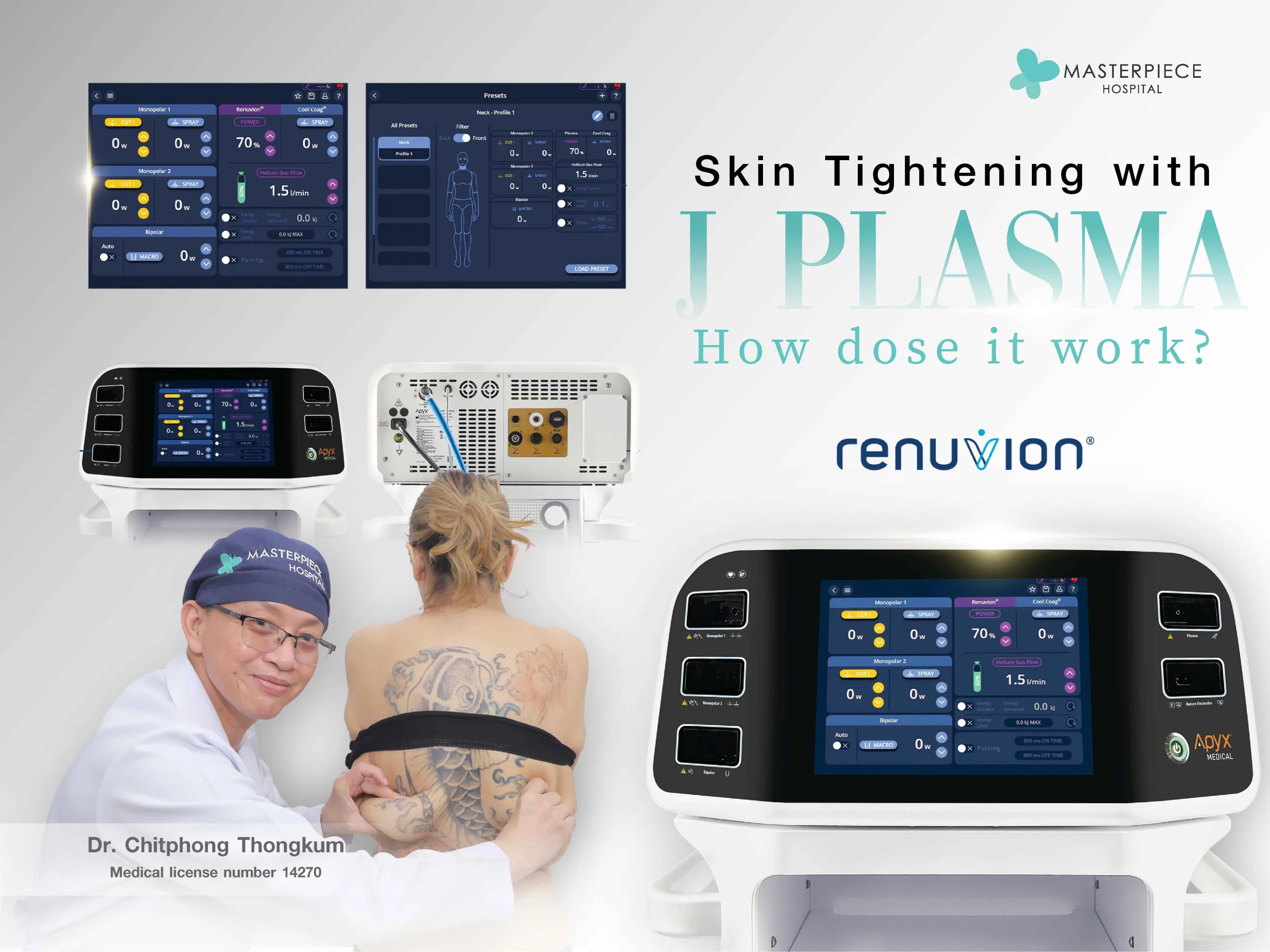
How does J Plasma work?.
The principle of skin tightening with J-Plasma involves the doctor making a small incision of about 2–3 millimeters and inserting a tiny helium plasma energy probe beneath the skin. This energy releases heat at a temperature as high as 85°C, which is powerful enough to contract the fibrous tissues beneath the skin that are responsible for skin firmness, as well as tighten the loose tissue areas left after fat removal. It also stimulates collagen production under the skin, resulting in an immediate tightening effect.

Once the tissue is adequately tightened, the helium plasma probe quickly cools down from 85°C to just 41°C to protect the surrounding tissues from damage.
After the procedure, about 30% of the skin tightening effect is visible right away, with more noticeable improvements appearing within 3–6 months. You’ll see firmer, smoother, and more elastic skin. The results can last for many years. That’s why they say, “One session of J-Plasma for skin and body tightening delivers long-lasting results.” It’s worth it, isn’t it?
Oh, and the J-Plasma device is an advanced technology from the United States, approved by both the U.S. FDA and Thailand’s FDA. Plus, it can be safely used on any area of the body.
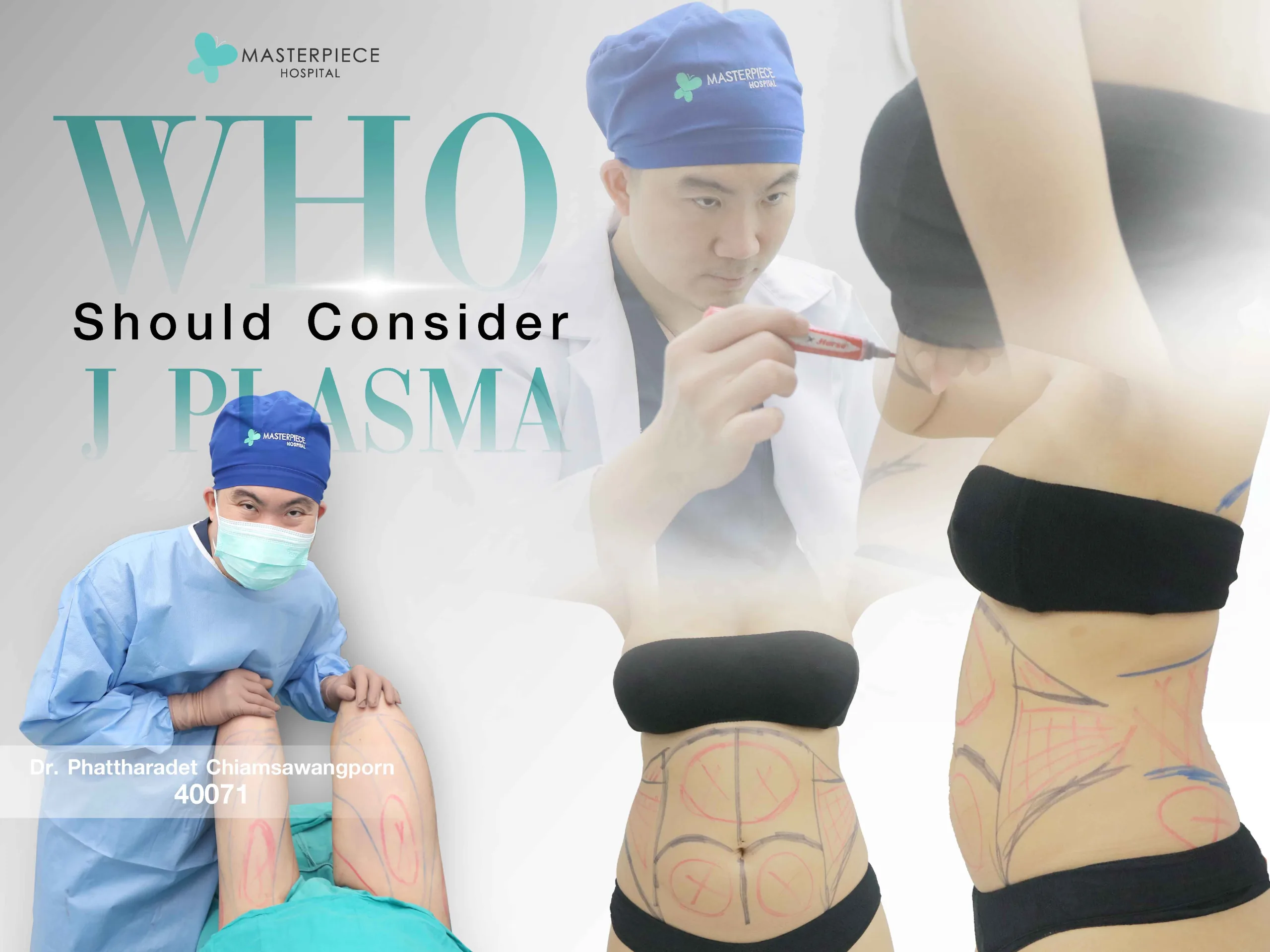
Who Should Consider Skin Tightening with J-Plasma?
In this section, we’ll talk about the common concerns of patients interested in J-Plasma skin tightening. These individuals often face issues like skin laxity, limited recovery time, or budget constraints. So here, we’ll walk you through the typical problems or needs patients have—in a simple and easy-to-understand way. Let’s take a closer look together.
- Individuals who’ve undergone liposuction, regardless of the area, want more defined and noticeable results.
- Those with excess fat accumulation that affects their confidence when wearing clothes
- People dealing with skin laxity or a lack of firmness
- Anyone looking to tighten skin and contour the body without undergoing surgery
- Mothers experiencing loose abdominal skin after childbirth
- Individuals with limited downtime or those who don’t have time for repeated yearly skin-tightening treatments
- People who want to save on long-term costs, as J-Plasma delivers long-lasting results in just one session
- Those who want immediate skin tightening results
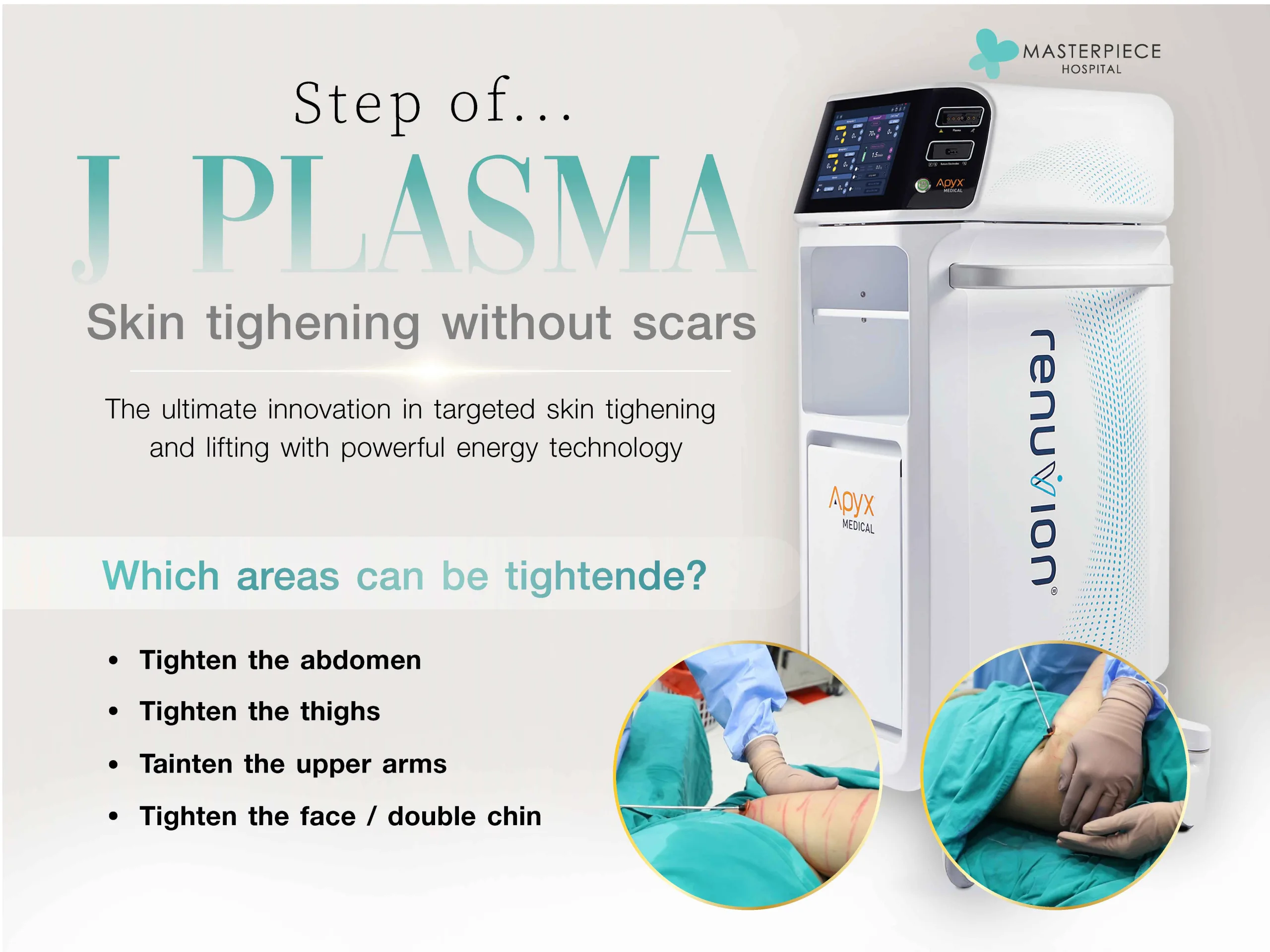
Steps for J-Plasma Treatment
- After liposuction, the doctor will turn on the J-Plasma device to test if the energy level is ready for use.
- The doctor then inserts a small helium plasma energy probe under the skin through the same incision made for liposuction.
- Next, the helium plasma energy is delivered to the targeted areas for tightening and contouring.
- The doctor carefully sutures the incision closed.
This J-Plasma procedure, performed after liposuction, helps patients achieve satisfying results with minimal time required.
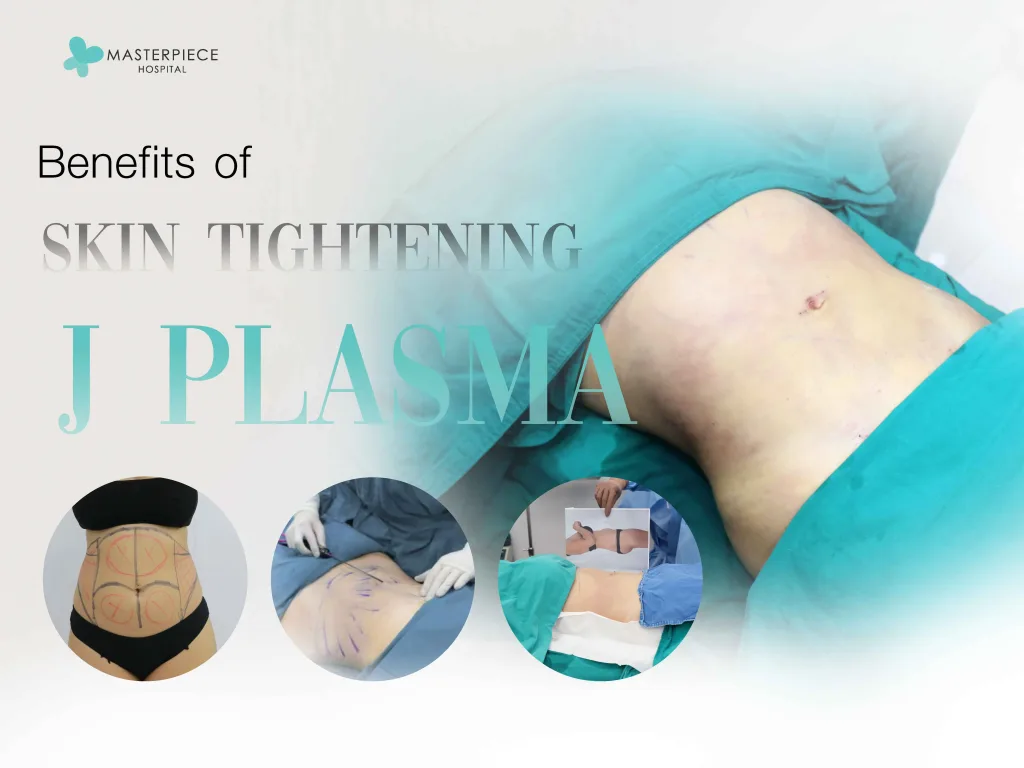
Benefits of Skin Tightening with J-Plasma
In this section, I’ll clear up a common question many people have: why is the J-Plasma device so popular nowadays? You might have seen countless promotions from various beauty clinics, but today, I’ll explain what makes J-Plasma skin tightening widely accepted and trusted by so many. Let’s explore it together!
First, it’s important to know that skin and body tightening with J-Plasma involves only small incisions, minimal pain, and little bruising, with a fast recovery time.
- It’s a non-surgical tightening method.
- You can see noticeable changes right after the first treatment.
- It effectively targets and treats specific problem areas.
- The results can reach up to 80% of what you’d get from a tummy tuck.
- It helps make the body and contours firmer and tighter after liposuction compared to not using J-Plasma.

Differences between J-Plasma Skin Tightening and Traditional Skin Tightening
- Results are visible from the very first treatment without needing repeated sessions, unlike RF, Laser, BodyTite, and HiFU, which require frequent follow-ups; once you stop those, the skin tends to loosen again.
- This tightening procedure can be done alongside liposuction for even clearer post-treatment results.
- No surgery is needed—J-Plasma tightening only requires a 2–3 millimeter incision, which reduces swelling and bruising, allowing faster recovery and greater safety compared to traditional lifting methods.
- It uses heat energy at 85°C on targeted areas for tightening, but the temperature quickly drops to just 41°C within a fraction of a second, preventing damage to surrounding tissues.
- It’s very safe with no side effects on skin tissue, blood vessels, or nearby nerves when performed by an expert doctor.
Benefits of J-Plasma Skin Tightening at Masterpiece Hospital
If you’re interested in skin and body tightening, whether due to a lack of confidence in your shape or the desire for more defined results after liposuction,—it’s highly recommended that you thoroughly research all relevant information before making a decision. This includes details about the performing doctor, the medical facility, expected results, procedures, techniques, as well as reviews and any promotions offered by the clinic.
So, in this section, we’ll go over the details of how to choose the right clinic, the techniques involved, and each step of the process to help guide your decision and avoid any unsatisfactory outcomes. A well-informed choice can make all the difference in achieving results you’re truly happy with.
- Clinic Credibility
You should choose a hospital or clinic that’s reputable, certified, and equipped with a qualified medical team and standardized tools and equipment. - Doctor’s Expertise
The first factor to consider is the doctor performing the procedure. Review their previous work, patient reviews, experience, credentials, and licenses. A consultation with the doctor also helps assess their reliability and allows you to understand the treatment process better. An experienced doctor will be able to provide clear, accurate explanations and guidance. - Standardized Operating Room and Equipment
To ensure safe and effective results from the skin tightening procedure, it’s important to check the hospital’s safety standards. Make sure they use modern, sterile, and hygienic equipment. - Pricing and Promotions
Choosing a clinic solely based on cheap pricing may lead to unsatisfactory results or unwanted side effects. Before deciding where to undergo a skin tightening procedure, be sure to inquire clearly about pricing, packages, and available promotions. Also, check real patient reviews—they reflect the doctor’s skills and the quality of results you can expect.
Post-Treatment Care After J-Plasma Skin Tightening
Post-treatment care after undergoing J-Plasma skin tightening is just as important as the procedure itself. Proper care helps reduce the risk of side effects, shortens recovery time, and promotes better, more noticeable results.
- During the first 14 days after the treatment, bruising and swelling may occur. It’s recommended to wear a compression garment as advised by your doctor.
- Avoid smoking, alcoholic beverages, vitamins, and all dietary supplements during the first month after the procedure.
- It’s also essential to manage your diet—try to avoid foods high in starch, fat, and sugar.
- Most importantly, strictly follow your doctor’s instructions and don’t forget to take all prescribed medications as directed.