

What is the frenulum, why is it important, and what should be done if it doesn’t tear naturally?
Many people are probably already familiar with the frenulum, but may still wonder what it is, why it is important, and what effects it can have if the frenulum is too tight or doesn’t tear naturally.
For this reason, this article compiles key information about the frenulum to help clarify these questions. Let’s explore the details together in the article.
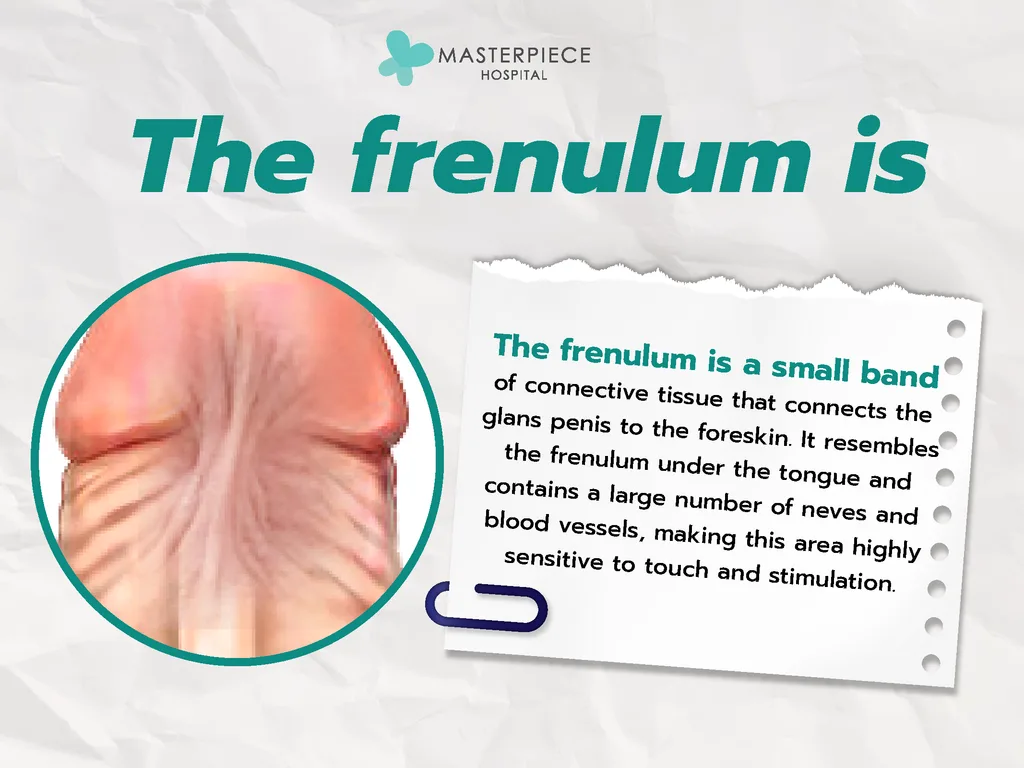
The frenulum is
The frenulum is a small band of tissue that connects the foreskin to the penis. It is a blood vessel without nerves, yet it is extremely sensitive and can immediately stimulate sexual arousal when touched. When the foreskin is fully retracted, the frenulum can be seen as the structure that prevents the foreskin from being pulled back any further.
The tightness of the frenulum varies from person to person. In some individuals, slight tightness may not cause significant problems. However, if the frenulum is very tight, it can lead to incomplete tearing and cause pain during penile erection or sexual intercourse.

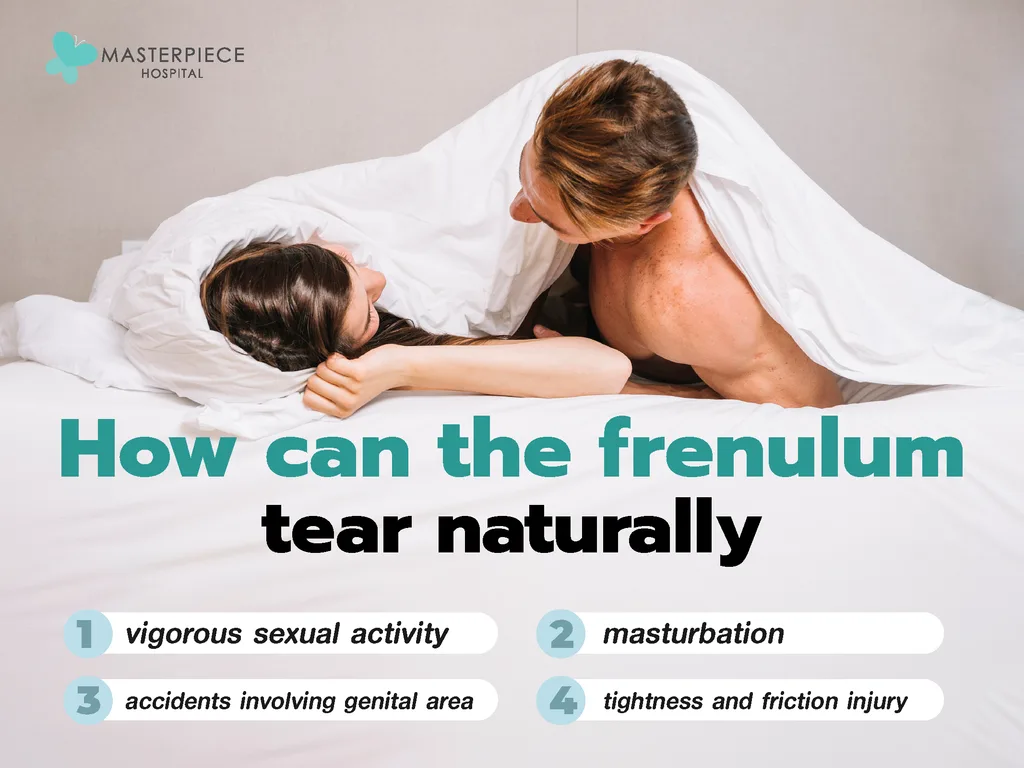
How can the frenulum tear naturally?
Engaging in vigorous sexual activity or even masturbation can cause the frenulum to tear. In addition, accidents involving the male genital area may also result in a torn frenulum. When the frenulum tears, bleeding may occur, which usually heals on its own within about one week and can be managed like a typical wound.
However, while the wound has not fully healed, masturbation and sexual intercourse should be avoided. If one week has passed and the wound has not healed completely or bleeding persists, it is recommended to consult a physician for proper diagnosis and treatment.
What happens if the frenulum doesn’t tear naturally?
In cases where a person frequently engages in sexual intercourse or masturbation but the frenulum doesn’t tear, the situation can be divided into two scenarios.
In the first scenario, the frenulum is not very tight. Even with frequent sexual activity, the frenulum remains intact and does not cause pain during erection or sexual intercourse. In this case, there are generally no negative effects, and no treatment is necessary.
However, if the frenulum is very tight, it may cause pain during sexual activity or while the penis is erect. This can interfere with daily life, as it may lead to bleeding and repeated partial tearing. Experiencing pain every time during sexual intercourse may cause some individuals to avoid sexual activity altogether. In the most severe cases, if left untreated, it can result in cracking or abrasion of the tissue at the tip of the penis, foreskin fissures, and an increased risk of infection.
What are the benefits of frenulum tearing?
- The advantages of a torn frenulum include the following:
- It allows the foreskin to be retracted up and down more easily for cleaning.
- For individuals with premature ejaculation, a torn frenulum may help delay ejaculation; however, it may also reduce sensitivity during sexual intercourse.
- It makes genital hygiene more convenient and helps reduce unpleasant odors caused by the accumulation of bacteria from bodily secretions.
- It helps prevent significant blood loss in cases where the frenulum is still intact and becomes torn during sexual intercourse.
- It prevents recurrent frenulum tearing, which can occur when the frenulum tears incompletely.
Safe Frenulectomy
For individuals who experience problems with a tight frenulum or an incompletely torn frenulum—resulting in pain and bleeding during sexual activity, as well as pain during erection that affects daily life. This condition can be treated with Frenulectomy, often performed together with circumcision. This approach helps reduce the risk of infection and bleeding, and the recovery period is relatively short.
Masterpiece Hospital has an experienced medical team, supported by modern techniques and equipment that meet hospital standards. Patients can be confident of receiving results that align with their expectations, along with close follow-up care from a dedicated After Care team throughout the treatment process. For more information or consultation, please contact the Men’s Health Department at Masterpiece Hospital.